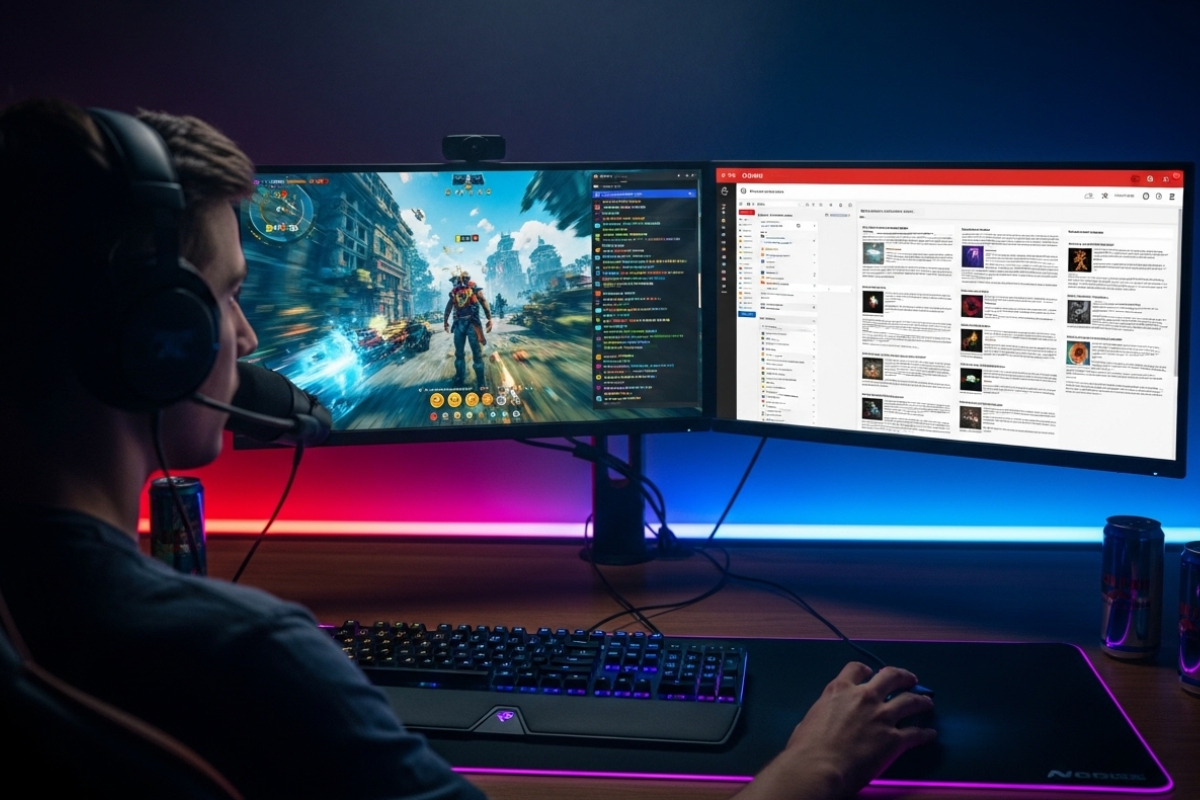
Streaming has changed how people learn games. Viewers no longer rely only on written walkthroughs or official manuals. Instead, many players learn strategies directly from watching someone play live. Streamers talk through their decisions, react to unexpected situations, and explain tactics in real time. Those moments are filled with useful knowledge. The challenge is that spoken commentary disappears quickly once a stream ends.
Transforming that commentary into structured written guides solves this problem. A single livestream can contain dozens of valuable insights about mechanics, map awareness, skill rotations, or efficient strategies. By capturing the spoken discussion and turning it into written material, streamers can create tutorials that remain useful long after the broadcast finishes. With tools that convert speech to text, gameplay commentary becomes searchable material that players can revisit anytime.
This approach benefits both creators and players. Streamers gain additional content from existing recordings, while players receive clear instructions they can read at their own pace. The result is a new type of guide that blends entertainment with practical instruction.
Quick Guide Summary
- Stream commentary contains valuable tactical explanations.
- Transcripts convert spoken gameplay into structured tutorials.
- Written guides help players follow strategies step by step.
- Searchable text makes complex mechanics easier to learn.
- Streamers gain additional content without recording new material.
Why Gameplay Commentary Is Full Of Hidden Strategy
Live commentary often includes details that traditional guides miss. A streamer might explain why they move toward a certain location, delay an attack, or change equipment during a match. These explanations reveal the reasoning behind each action. Viewers hear the thought process as it happens.
Written guides built from transcripts preserve those insights. Instead of trying to remember a moment from a two-hour broadcast, players can read a section that clearly explains the tactic. This is similar to how structured advice appears in discussions about competitive strategy principles, where decision-making patterns become easier to understand when organized into written explanations.
A guide derived from commentary captures the same clarity. Every move described in the stream becomes a lesson that players can study later. This method turns spontaneous observations into lasting educational material.
Turning Spoken Gameplay Into Structured Instructions
The transformation from stream recording to written guide usually follows a straightforward workflow. First, the recording is transcribed. The spoken dialogue becomes a block of text that can be edited and organized. After that, the creator reviews the transcript and separates meaningful sections from casual conversation.
Some segments explain mechanics. Others describe strategies, map routes, or make timing decisions. By arranging those sections under clear headings, the commentary gradually becomes a complete tutorial.
This approach works particularly well for action games, competitive shooters, strategy titles, and puzzle games. Many streams naturally include commentary about positioning, cooldown management, or situational awareness. Once transcribed and organized, these explanations become easy to follow.
Examples Of Commentary That Convert Well Into Guides
Not every part of a stream becomes a guide. Casual chats or jokes usually stay outside the final tutorial. Instead, creators focus on moments that explain gameplay logic or demonstrate effective techniques.
The following types of commentary often translate perfectly into written guides.
- Step-by-step explanations of boss fights.
- Tips for improving aim, reaction time, or positioning.
- Breakdowns of weapon choices or character builds.
- Map navigation advice for competitive modes.
- Resource management strategies in survival games.
These insights already exist in the stream. The transcript simply makes them easier to organize. Players who prefer reading can absorb the strategy faster than by scanning through long recordings.
Organizing Stream Insights Into Clear Sections
Once commentary has been transcribed, the next task is organization. The transcript often appears as a long sequence of dialogue. Turning that into a guide requires separating ideas into logical sections.
Creators often identify the most educational moments first. Those sections become the foundation of the tutorial. The guide might then be divided into segments such as early game strategy, mid-match positioning, or advanced mechanics. This structure helps readers move directly to the information they need.
Structured guides are especially helpful for competitive titles. Players studying tactics related to map awareness strategies often prefer clear written explanations that highlight positioning decisions. Commentary transcripts naturally contain these explanations because streamers frequently narrate their movements during play.
How Written Guides Improve Learning For Players
Watching a stream is entertaining, yet learning from it can be difficult. Important advice may appear briefly during a match and disappear moments later. A written guide solves this problem by presenting the same insight in a more focused format.
Players can pause, reread sections, or search for specific terms. For example, someone trying to improve accuracy may quickly locate advice about recoil control or sensitivity settings. This type of accessibility is one reason written tutorials remain valuable even in an era dominated by video content.
Research in educational psychology shows that written explanations often improve retention because readers engage more directly with the material. Approaches described in active learning methods emphasize participation, reflection, and interaction with information, which helps players absorb strategies and understand complex gameplay concepts more effectively.
Steps Streamers Can Follow To Build Guides From Recordings
Creating a guide from gameplay commentary becomes easier when the process follows clear stages. Many creators repeat the same workflow for every stream they want to convert into written material.
- Record the entire gameplay session, and keep commentary clear and descriptive. Speaking thoughts aloud during key moments helps create useful material later.
- Generate a transcript of the recording. The spoken dialogue becomes a written draft that captures every explanation or strategy discussed.
- Review the transcript and highlight the most informative sections. Focus on gameplay decisions, mechanics, and tactical explanations.
- Arrange these sections into a logical structure. Headings such as “beginner tips,” “advanced strategies,” or “map guidance” help readers navigate the guide.
- Edit the text for clarity. Short sentences and clear instructions make the final guide easier for players to follow.
This workflow transforms raw commentary into educational material without requiring a new recording session.
How Guides Extend The Value Of Streaming Content
Streaming sessions often last several hours. Within that time, creators may share dozens of useful tips. Unfortunately, most viewers never revisit older broadcasts. Once a stream disappears into an archive, many of those insights fade from attention.
Written guides extend the lifespan of that content. A tutorial based on gameplay commentary remains relevant long after the stream ends. Players searching for help with a game mechanic may discover the guide months later and still benefit from the advice.
From a creator’s perspective, this method multiplies the value of each broadcast. One stream becomes both entertainment and educational material. The same session can produce a highlight video, a written guide, and several shorter tutorials.
Types Of Games That Benefit Most From Commentary Guides
| Game Genre | Why Commentary Works Well |
|---|---|
| Competitive shooters | Players constantly explain positioning, aim control, and strategy during matches. |
| Strategy games | Streamers discuss resource management and long-term planning decisions. |
| Role-playing games | Commentary often explains character builds, quests, and combat tactics. |
| Puzzle games | Streamers talk through their reasoning while solving complex challenges. |
These genres produce commentary that naturally explains gameplay decisions. Converting those explanations into guides makes them accessible to players who want clear instructions.
Creating Guides That Readers Enjoy
A transcript alone does not guarantee a great guide. Editing and presentation matter. Clear paragraphs and descriptive headings help readers scan information quickly. Screenshots from the stream can also illustrate important moments.
Short sentences improve readability. Paragraphs that explain one idea at a time prevent confusion. Streamers who maintain this clarity often build guides that feel approachable even for beginners.
Adding summaries within sections also helps readers absorb complex tactics. Players who skim the guide still gain useful advice without reading every word.
From Stream To Strategy Resource
Gameplay commentary contains a surprising amount of practical knowledge. Streamers explain decisions while reacting to unpredictable situations. Those explanations reveal how experienced players approach challenges inside a game.
Turning that spoken insight into written guides transforms temporary entertainment into lasting resources. Players gain tutorials that are easy to read, search, and revisit whenever they need help. Streamers gain additional content that strengthens their influence within the gaming community.
By capturing commentary and shaping it into organized guides, creators build a bridge between live gameplay and structured learning. The strategy discussed during a match continues helping players long after the stream has ended.
Related Posts
Training Drills to Improve Mouse Accuracy
Training drills to improve mouse accuracy are essential not only for FPS and MOBA gamers but also for anyone using a computer for everyday tasks. Whether you're a gamer looking to level up in shooting games, a digital artist who…
How to Create the Perfect Gaming Environment with Wallpapers and Themes
Crafting the Ultimate Gaming Atmosphere Gaming is more than just playing—it’s an immersive experience that engages both the mind and senses. Whether you're diving into an intense multiplayer battle, exploring vast fantasy landscapes, or solving intricate puzzles, your surroundings significantly…
How Game Awards Influence the Future of Gaming
Game awards are not just about recognizing the best games—they are a powerful force that shapes the direction of the gaming industry. From setting new trends to inspiring game developers, their impact is far deeper than most people realize. A…